
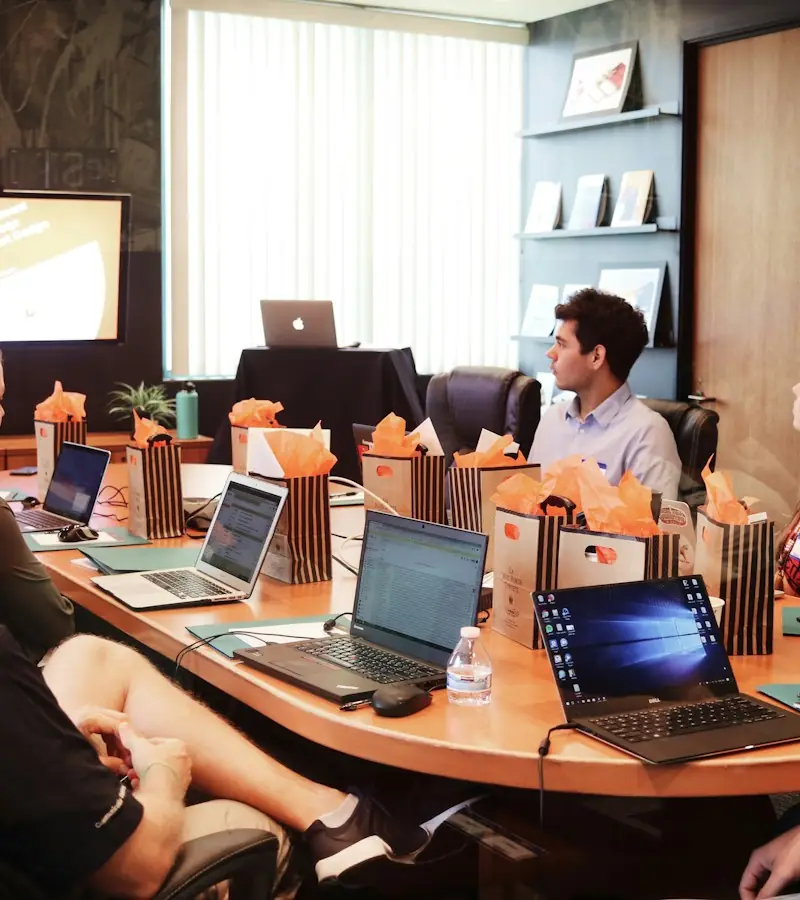
Consultants
Run the interview phase of a diagnostic in days. Arrive at the steering committee with evidence, not impressions.
Lontra talks with each person you invite, follows up on their answers, and shows you what they said, with the evidence.
Lontra is drafting what each conversation should cover. This takes about ten seconds.
Each finding shows how many people said it, where they disagree, and the conversation or document behind it.

Main findingExample, for illustration
Rotas are published less than three days ahead
EvidenceBacked by a rota screenshot a participant shared
A form collects the answers you thought to ask for. A conversation can follow up.
“The shelf was empty” is where a form stops. Lontra asks when it last happened, what people did next, and what it cost. In every conversation.
A picker uploads an export from the warehouse system. Lontra reads it, says what it noticed, and asks about that exact point.
Deep Study: when the answers leave gaps, Lontra goes back to the people who can fill them, including colleagues they mention. It does this on its own, within the limits you set.
Run the interview phase of a diagnostic in days. Arrive at the steering committee with evidence, not impressions.

Understand why people leave, struggle or disengage, in their own words and without a survey.
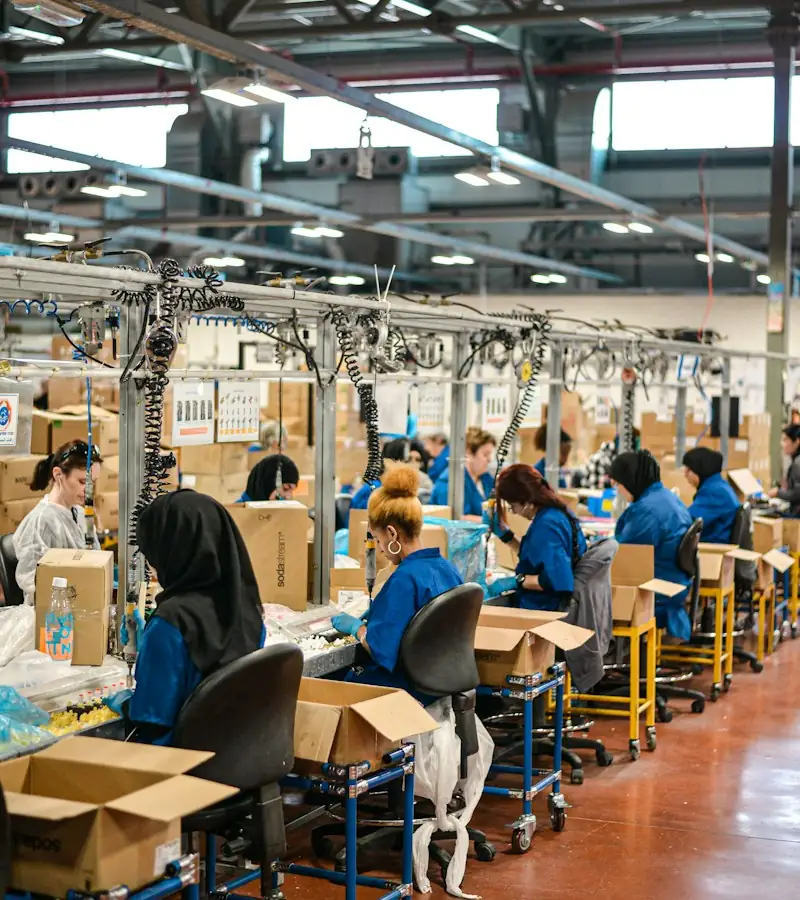
See how work really happens on the floor, shift by shift and site by site.
One sentence, the way you would say it to a colleague.
Lontra suggests what each conversation should cover. Change anything.
Each one talks with Lontra on their own, for about nine minutes, on any device.
What people said, where they disagree and why. Then ask your results anything.
Never gets in
Write down what you want to understand. Lontra holds the conversations and shows you what people said.
Start with your question