Short answer
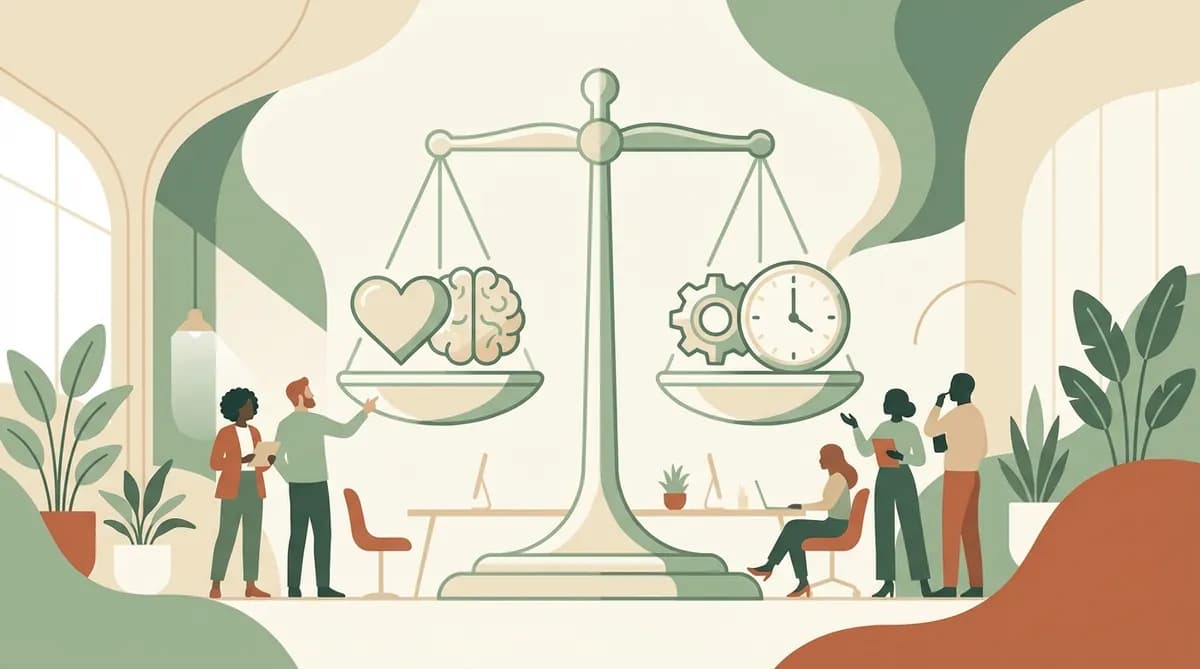
Retail employee wellbeing is shaped by the work that happens on each shift: staffing against demand, notice of hours, breaks, customer aggression, access to information, and manager support. Compare like roles over the same period, give every shift a usable way to contribute, keep incident and emergency routes separate, and test a bounded operational change before extending it across stores.
Frame one store decision
A broad “retail wellbeing” score can mix cashiers, stock teams, supervisors, warehouses, quiet weeks, and seasonal peaks. The average may be accurate but impossible to act on.
Start with a decision such as:
Should these two comparable stores change how they publish, alter, and cover closing shifts during the next peak period?
That question determines the population, dates, evidence, and owner. It also prevents personal health questions from becoming a substitute for examining work design.
Use the wellbeing at work guide for the wider prevention programme. This page focuses on the retail conditions that require a store-level comparison.
Map the retail conditions first
The US National Institute for Occupational Safety and Health identifies irregular and long shifts, extended standing, reduced staffing, crowds, violence, and robberies as relevant risks in its retail fatigue, violence, and stress guidance. The mix changes by format, location, opening hours, role, and season.
Build the review around observable work conditions:
| Condition | Evidence to examine | Question for workers |
|---|---|---|
| Staffing against demand | Planned and actual staffing by interval, queues, replenishment load | When does the shift become difficult to recover, and what is happening then? |
| Schedule notice | Publication date, later changes, shift swaps, closing-to-opening patterns | Which changes make planning or recovery difficult? |
| Break access | Planned and taken breaks, cover arrangements, busiest periods | What usually prevents a break from happening as planned? |
| Customer aggression | Incident records, location and time, response follow-up | Which situations feel unsafe, and can you reach the established help route? |
| Information access | Briefing time, device or notice access, language and accessibility needs | What do you learn too late to do the work safely or confidently? |
| Manager support | Escalation routes, handovers, decisions awaiting approval | What happens after you raise a concern? |
Do not ask employees to diagnose stress, anxiety, or another health condition for this review. Ask what occurred in the work. Individual health, disability, adjustment, and clinical-support needs belong in the appropriate confidential process.
Make participation possible on every shift
A link sent to company email does not establish access. Before collection, walk through the experience of an opener, a closer, a weekend worker, a temporary worker, and someone who needs an accessible alternative.
Record:
- where and when each group can participate;
- whether participation happens during paid working time;
- the available language and accessibility routes;
- how employees can decline;
- who can see source responses and final findings;
- how safety or violence reports reach the formal channel; and
- how the store will report back.
Do not route an injury, threat, or immediate danger into a general HR listening queue. OSHA's workplace violence overview points employers toward hazard assessment and a worksite prevention plan. NIOSH's 2024 guidance for gas stations and convenience stores is more specific for high-risk late-night settings. Each employer should apply the procedures and legal duties relevant to its location and retail format.
Use a matched-store worksheet
The worksheet is designed to stop a false comparison before it reaches a dashboard.
| Field | Store A | Store B |
|---|---|---|
| Decision period | Same defined dates | Same defined dates |
| Roles included | Record exact roles | Match or explain the difference |
| Trading context | Opening hours, promotion, peak, local events | Record the comparable context |
| Eligible and invited | Count by relevant shift | Count by relevant shift |
| Participation | Count and missing groups | Count and missing groups |
| Staffing and workload | Planned versus actual | Planned versus actual |
| Schedule stability | Notice and changes | Notice and changes |
| Break and cover access | Planned versus recorded | Planned versus recorded |
| Aggression and incident route | Reports and follow-up | Reports and follow-up |
| Employee accounts | Examples, differences, counterexamples | Examples, differences, counterexamples |
| Existing actions | What was already tried | What was already tried |
If stores differ in format, opening hours, demand, or workforce mix, do not label the difference a wellbeing effect. Narrow the comparison, add context, or treat each store as a separate case.
Worked example: two closing teams
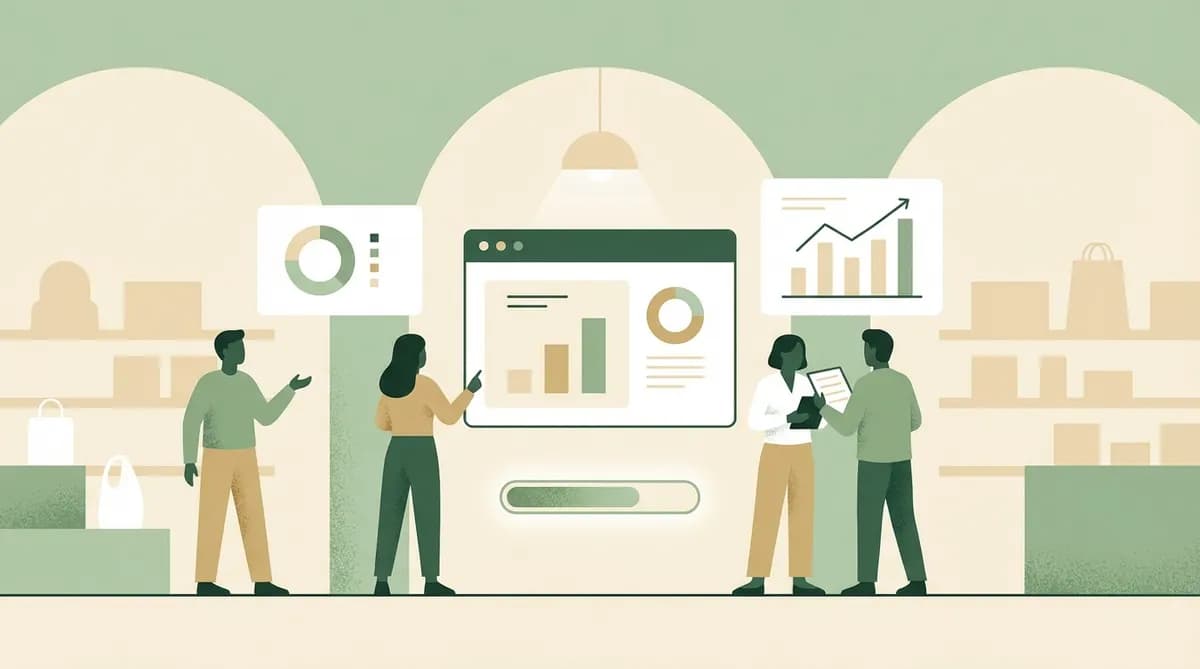
This fictional retailer compares sales assistants on closing shifts at two similar stores during the same four-week promotion. Store A and Store B have comparable opening hours and footfall, but the participation check shows that temporary staff at Store B did not receive the invitation. The review therefore cannot describe the full Store B closing workforce.
Roster records show both stores published shifts on the same day. Store B made more changes inside the final three days and recorded more occasions when planned breaks moved into the last hour. Employee accounts from Store B describe late delivery changes and uncertainty about who could approve cover. Some Store A employees also report difficult evenings, which is a useful counterexample to a simple “Store B manager” explanation.
The district owner does not conclude that schedule changes caused poor mental health. The evidence supports a narrower operational test: for the next promotion, one named role reviews late delivery changes against break cover before approving the closing plan. Temporary staff receive the same paid-time participation route. The owner reviews schedule changes, break timing, employee examples, and any unintended workload moved to another role.
If the trial is implemented as planned and the work pattern changes, the retailer has learned about the process. It has not proved a health outcome or a universal remedy.
Choose actions at the right level
An individual wellbeing benefit cannot compensate for a preventable store hazard or an unworkable rota. Start with the condition closest to the work:
- remove or reduce a hazard where possible;
- redesign the process, staffing, schedule, environment, or decision right;
- improve supervision, information, training, or support;
- make individual resources available through competent channels; and
- review whether the action reached every affected shift.
The HSE's Management Standard on control recommends consulting employees on work patterns and, where possible, giving people a say over pace and breaks. Applicable legal duties differ between the UK, US, and other locations; the worksheet is an operational aid, not a jurisdiction-specific compliance assessment.
Measure implementation before claiming impact
Track whether the promised change occurred: schedules published when intended, changes reviewed, break cover available, safety reports answered, and missing shifts reached. Then collect accounts of what improved, worsened, or moved elsewhere.
Do not treat absence, retention, sales, or incident counts as direct measures of wellbeing. They have different denominators and many possible causes. The employee wellbeing measurement guide helps define the question, population, time window, and limits before choosing an indicator.
Where Lontra can fit
Lontra can support a defined employee conversation about work context across a selected retail population. Managers receive an action-oriented brief, not raw employee responses. It is not an incident-reporting, emergency, clinical, or diagnostic channel.
Use it for a bounded question such as schedule access, handover clarity, or follow-up after peak. Keep safety reporting and individual support routes visible alongside it, and assess participation by shift before interpreting the themes.
Explore the employee-conversation workflow, then document the eligible population, access route, operational owner, and review date.
Frequently asked questions
What should a retail wellbeing review compare?
Compare the same roles over the same period, then record staffing and demand, schedule notice and changes, breaks, customer aggression, information access, manager support, participation coverage and actions already tried.
Should a retail listening channel replace incident reporting?
No. Safety hazards, violence, injuries and emergencies must follow the employer's established reporting and response procedures. A separate listening exercise can examine recurring work conditions and whether workers can access those procedures.
How should a retailer choose a wellbeing action?
Choose a work condition supported by more than one relevant source, name an accountable operator, use the site's approval process, define a small test and review implementation and unintended effects before extending it.